
Academy guides · 8 min read
How to Run a Sports Academy: A Practical Guide for Academy Owners
Batches, attendance, fees and parent updates: a few simple routines keep a sports academy organised, trusted and growing. Here is a practical guide for owners and head coaches.
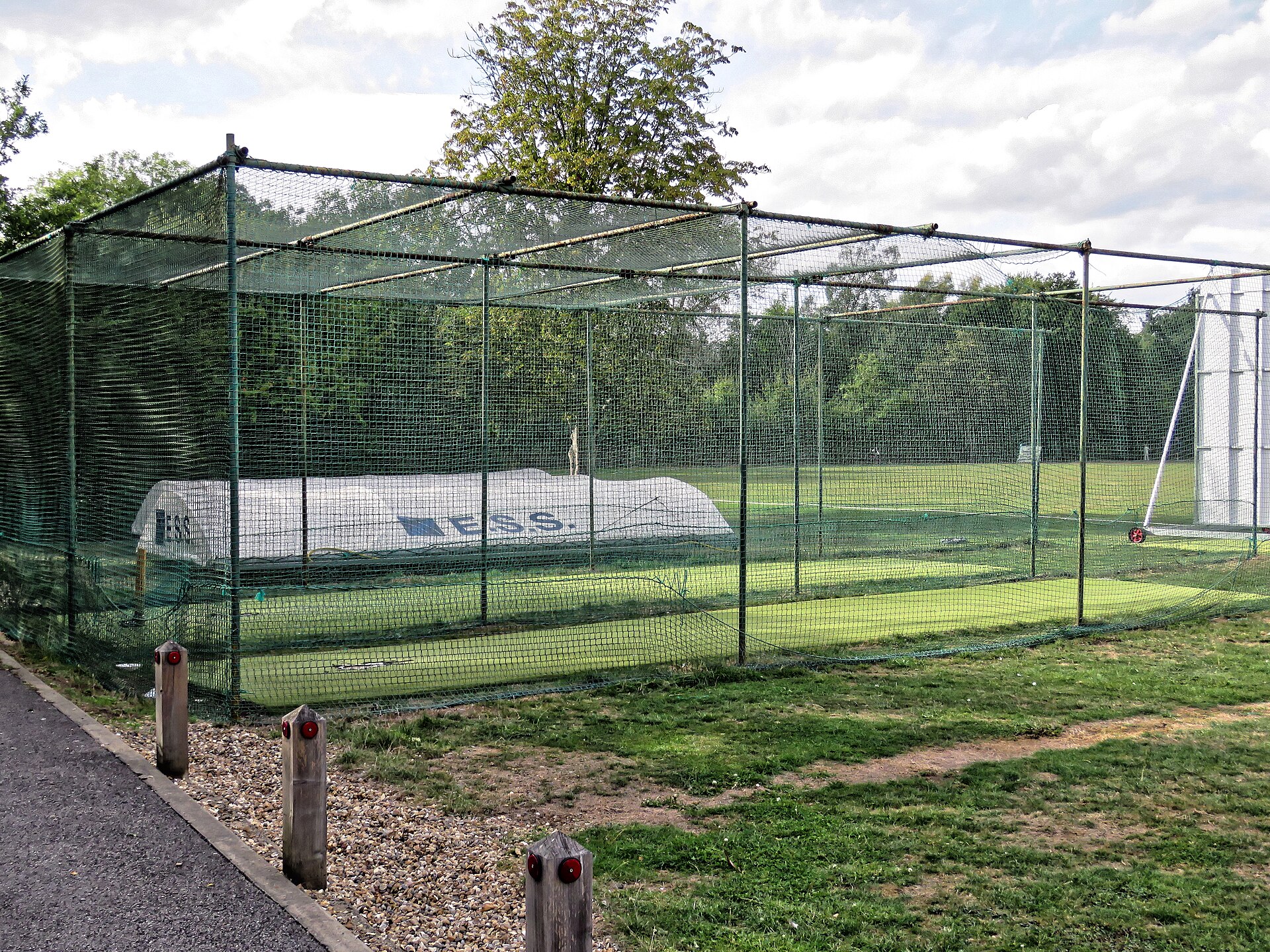
Starting an academy is the exciting part. Running it, week after week, with parents asking about fees, coaches asking about timings and kids asking when the next match is, is where most academy owners feel the pressure. The good news: a few simple routines are enough to keep a small academy organised, and you do not need complicated software to begin.
This guide is for academy owners and head coaches in India who already have a ground, court or turf and a few players, and want to run things smoothly. If you are still at the planning stage, read our guide on how to start a cricket academy in India first.
1. Build your academy around clear batches
A batch is a group of players who train together at a fixed time, usually grouped by age and skill level. Almost everything else in your academy, from attendance to fees to coaching plans, depends on how clean your batches are.
- Group by age first, then skill. A ten-year-old beginner learns better with other beginners than with sixteen-year-olds.
- Keep batch sizes manageable. Decide how many players one coach can realistically look after, and add a coach or a new batch before a batch becomes crowded.
- Give every batch a simple name and fixed timings, for example "Under-12 Beginners, Mon/Wed/Fri evening".
- Review batches every term. Players improve, so move them up when they are ready.
Parents appreciate fixed timings. Changing the schedule every week is one of the quickest ways to lose their trust.
2. Take attendance the same way, every session
Attendance is the backbone of your records. It tells you who is regular, which batches are thinning out and which players may need a call from the coach. It also gives you facts to share when a parent asks, "How often does my child attend?"
- Decide who records attendance (usually the batch coach) and when (usually at the start of the session).
- Use simple labels such as present, absent or excused.
- Record by batch so the list always matches the group on the field.
- Review attendance monthly and speak to families after a long gap.
Our detailed academy attendance guide walks through a five-step routine you can adopt this week. Attendance alone does not measure ability or effort, but it gives every coach a better starting point for a conversation.

3. Make fees simple and transparent
Money conversations are easier when everything is clear from day one. Fees differ widely by city, sport, facilities and coaching level, so there is no standard rate to copy. What matters is that your fee structure is easy to explain.
- Offer clear packages, such as monthly, quarterly or yearly options, and write down exactly what each one includes (coaching days, kit, fitness sessions, matches).
- State the admission or registration fee, if you charge one, before the family joins.
- Write down your leave, make-up and refund policy. Exams, illness and travel are certain to happen.
- Pick a due date and stick to it. Send a polite reminder a few days before and follow up personally if a payment is late.
- Keep a simple record of every payment received and every expense, such as coach salaries, equipment, ground rent and electricity. Even a basic income and expense record shows whether the academy is healthy.
Avoid verbal promises about fees. A written fee sheet protects both you and the parent.
4. Communicate with parents on a rhythm
Most parent complaints come from not knowing what is going on. A regular, predictable rhythm of communication solves a lot of problems before they start.
- Before joining: share batch timings, fee packages, the safety plan and what to bring.
- Every week: share the training plan or focus for the week, and any changes in timings.
- Every month: send a short update on attendance and what the batch worked on.
- Every term: hold a short parent-coach conversation about each child's progress.
Be honest and kind. Parents do not expect every child to become a champion, but they do expect to be told how their child is doing. Never promise selection in a state team or a league.
5. Plan the training, not just the practice
A weekly training plan keeps coaches aligned and shows parents that the academy is organised. For each batch, decide the focus of the week before the week begins.
- Cricket: grip and stance one week, bowling action the next, then fielding and catching.
- Football: ball control, passing and small-sided games.
- Badminton: footwork, serves and rallies.
- Athletics: running form, starts and general fitness.
Share the plan with other coaches so that a substitute coach can pick up where the last one left off.
6. Track player progress simply
Tracking progress is what separates an academy from a place where kids simply come to play. It does not need to be complicated. Choose a few things you can record regularly and compare over weeks and months:
- Attendance and consistency
- One or two skills the coach is working on with the player
- Simple fitness checks, repeated under the same conditions
- Match or tournament experience
- Coach notes about effort, attitude and next steps
Progress tracking is for support, not for ranking children against each other. Our weekly athlete progress tracking guide explains a short, practical review you can adapt for every batch.
7. Look after your coaches and staff
Your coaches are the academy. Hire people who are patient with children, and then make their job easier.
- Agree on duties, timings and pay in writing.
- Hold a short coaches' meeting every week or two to align on plans and share concerns.
- Encourage coaches to keep learning, for example through coaching courses offered by the relevant sports federation or association.
- Give them one reliable place to see session lists and record attendance.
8. Treat safety as a daily habit
Parents are trusting you with their children. Keep a first-aid kit that is stocked and easy to reach, know the nearest clinic or hospital, check the ground and equipment before sessions, and make sure there is a safe pickup and drop-off routine. Written safety rules, shared with every family, are a sign of a professional academy.
9. Review the academy every month
Once a month, take thirty minutes to look at the basics: How many players are in each batch? Who has stopped attending? Which payments are pending? Which expenses went up? What feedback did parents share? A short monthly review helps you fix small problems early.
Academy owner's monthly checklist
- Are all batches current, with fixed timings and a named coach?
- Has attendance been recorded for every session?
- Are pending fees and expenses written down?
- Has each family heard from the academy this month?
- Has each batch worked on a planned skill focus?
- Are the first-aid kit and equipment in good shape?
How FAB SPORTS helps academy owners
FAB SPORTS is a sports app for athletes, parents, coaches and academies in India. Its academy tools bring the routines above into one app on iOS, Android and the web. With them, you can:
- Set up your academy profile so athletes and parents can find you
- Organise batches and record attendance by batch
- Share a weekly training plan
- Create academy packages for families to compare
- Add staff and keep a record of income and expenses
- Record performance updates for athletes
Every FAB SPORTS tool is free, with no subscription. Academy fees and product prices are set by the academies and sellers, not by FAB SPORTS. See the academy tools and the attendance app for more.
Conclusion
Running a sports academy well is mostly about routine: clear batches, consistent attendance, simple and written fees, regular parent communication, a weekly plan and honest progress tracking. Start with one habit this week, build the next one next month and keep improving. Players and parents will notice the difference long before the trophies arrive.
Ready to run your academy from your phone? Download FAB SPORTS free on the App Store or get it on Google Play.
Frequently Asked Questions
How do I run a sports academy successfully in India?
Start with clear batches grouped by age and skill, take attendance consistently, publish a written fee structure and a weekly training plan, and keep a regular rhythm of communication with parents. Add simple progress tracking and a monthly review of attendance, fees and expenses.
How should a sports academy manage batches?
Group players by age first and skill second, give every batch fixed timings and a named coach, and keep batch sizes small enough for one coach to give each player attention. Review batches each term and move players up when they are ready.
How can I collect fees in a sports academy without conflict?
Be clear before the family joins. Share a written fee sheet with packages, what each includes, the due date and your leave and refund policy. Send a polite reminder before the due date and keep a record of every payment.
What should an academy tell parents regularly?
Share batch timings, the weekly training focus, attendance updates and a short progress conversation each term. Predictable updates prevent most misunderstandings.
Is there a free app to run a sports academy?
Yes. FAB SPORTS offers free tools for academies, coaches and athletes in India, including batches, attendance, weekly training plans, packages, staff and income and expenses. There is no subscription. Academy fees are set by each academy.