Parent guides · 12 min read
Best Age to Start Sports for Kids: An Age-by-Age Guide (and Which Sport to Choose First)
There is no single magic age. Children can start moving through play from the toddler years, and most are ready for simple organised sport around 6. What matters at the start is flexibility, stamina and life skills like running and swimming.
On this page
- The short answer: what is the perfect age for sports?
- Which sport should a child start with?
- Age-by-age guide to starting sports
- Best age to start popular sports
- Why not to specialise in one sport too early
- Which sport is best for my child? How to choose
- Signs your child is ready for organised sport
- Budget and time tips for Indian parents
- Safety first
- How FAB SPORTS helps parents get started
- Conclusion
- Sources
- Frequently Asked Questions
"What is the best age to start sports for kids?" is one of the first questions Indian parents ask, usually right after a relative says their child should "join cricket" or a neighbour's daughter starts swimming classes. The honest answer is that there is no single perfect age. Children can start moving through play from the toddler years, most are ready for simple organised sport around age 6, and serious single-sport training can wait until the teenage years.
This guide explains the right age to start sports at every stage, which sport to put your child in first, and when to start popular sports like swimming, cricket, football, badminton, tennis, skating and gymnastics. It is based on guidance from the American Academy of Pediatrics (AAP), the World Health Organization (WHO) and the Sport for Life long-term development model, with Indian pathways added where they help.
The short answer: what is the perfect age for sports?
If you want one line to remember, it is this: start with play from age 2, start simple organised sport around age 6, and specialise in one sport only in the mid-teens.
- Ages 2–5: active play every day. The AAP says that before age 6, most children do not yet have the motor skills, balance or attention span for organised sports, so focus on running, swimming, tumbling, throwing and catching through play (AAP, HealthyChildren.org).
- Around age 6: most children have the basic motor skills for simple organised sports with flexible rules, smaller balls and smaller fields.
- Ages 10–12: most children are ready for more complex sports that need teamwork and tactics.
- About 15–16: for most sports, the AAP suggests delaying specialisation in one sport until late adolescence (AAP clinical report, 2016).
So the "perfect age" is less about a number and more about matching the activity to your child's stage of development.
Which sport should a child start with?
At the start, the sport itself matters less than what it builds. In the early years, the main goals are:
- Flexibility and body control: bending, stretching, rolling, balancing and landing safely.
- Stamina: being able to run, play and stay active for longer without getting tired quickly.
- Basic life skills like running and swimming: running is the base of almost every sport, and swimming is a safety skill every child should have.
That is why we recommend starting with gymnastics, athletics (running, jumping, throwing) and swimming before choosing a main sport. Sport for Life lists athletics, gymnastics and swimming (along with skating-type activities) as activities that, in combination, "provide a base for all other sports" (Sport for Life, LTAD 2.1). We explain this foundation in detail in Gymnastics, Athletics and Swimming: The Best First Sports for Kids.
Once these basics are in place, a child can pick up cricket, football, badminton or any other sport much more easily.

Age-by-age guide to starting sports
The stages below follow the Sport for Life long-term development model (Active Start, FUNdamentals, Learn to Train and Train to Train) and the AAP's sports-readiness guidance. Ages are approximate: children develop at different rates.
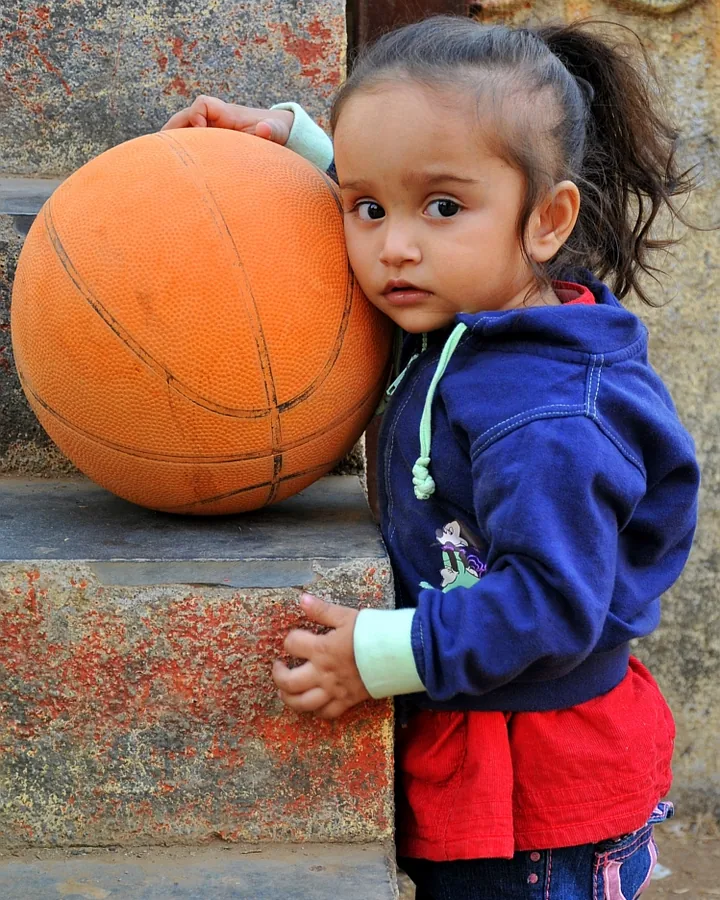
Ages 2–5: play and explore (sports for 3, 4 and 5 year olds)
Parents often search for "sports for 3 year olds" or "sports for 5 year olds". At this age, the best "sport" is daily active play. The WHO recommends that children aged 3–4 spend at least 180 minutes a day in a variety of physical activities, including at least 60 minutes of moderate-to-vigorous activity, spread through the day (WHO).
- Running, chasing and jumping games in the park or building compound
- Throwing, catching and kicking a soft ball
- Balancing on a low wall or line, climbing, rolling and tumbling
- Getting comfortable in water with a parent, or beginner swimming lessons
- Cycling with or without trainer wheels, dancing to music
Keep instructions short and playful, and avoid competition. The AAP notes that children this age learn best by exploring and copying others, and that parents joining in makes a good role model.
Ages 6–9: learn the ABCs of movement (sports for 6 and 8 year olds)
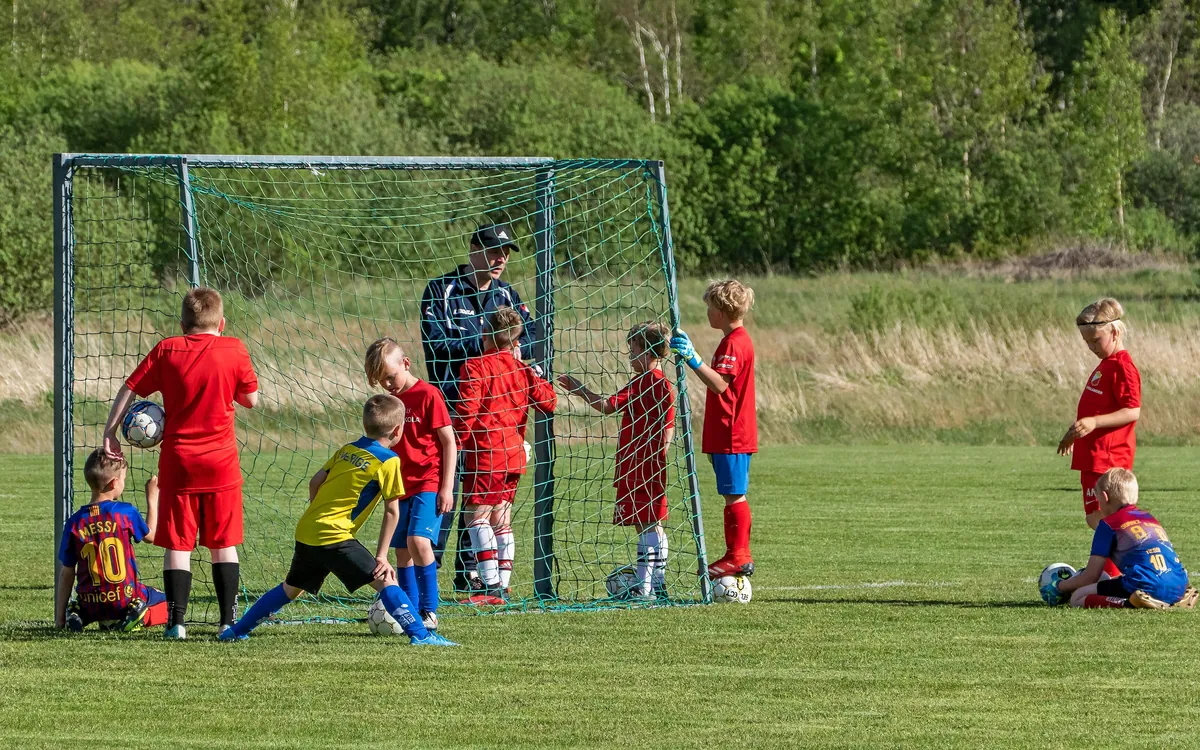
This is the best age for many children to start their first classes. Sport for Life calls it the FUNdamentals stage: building agility, balance, coordination and speed through fun, varied activities. The AAP lists running, swimming, soccer, tennis, gymnastics and martial arts among sports that suit this age when they are adapted, with flexible rules, smaller equipment and shorter games.
- Swimming lessons, gymnastics classes and athletics games are excellent first classes
- Small-sided football, mini tennis, skating and soft-ball cricket work well
- Try two or three activities across the year rather than one sport all year
- Learning skills matters more than winning
Sports that need complex teamwork and quick decisions are harder at this age unless they are modified for young players.
Ages 10–12: learn sport skills
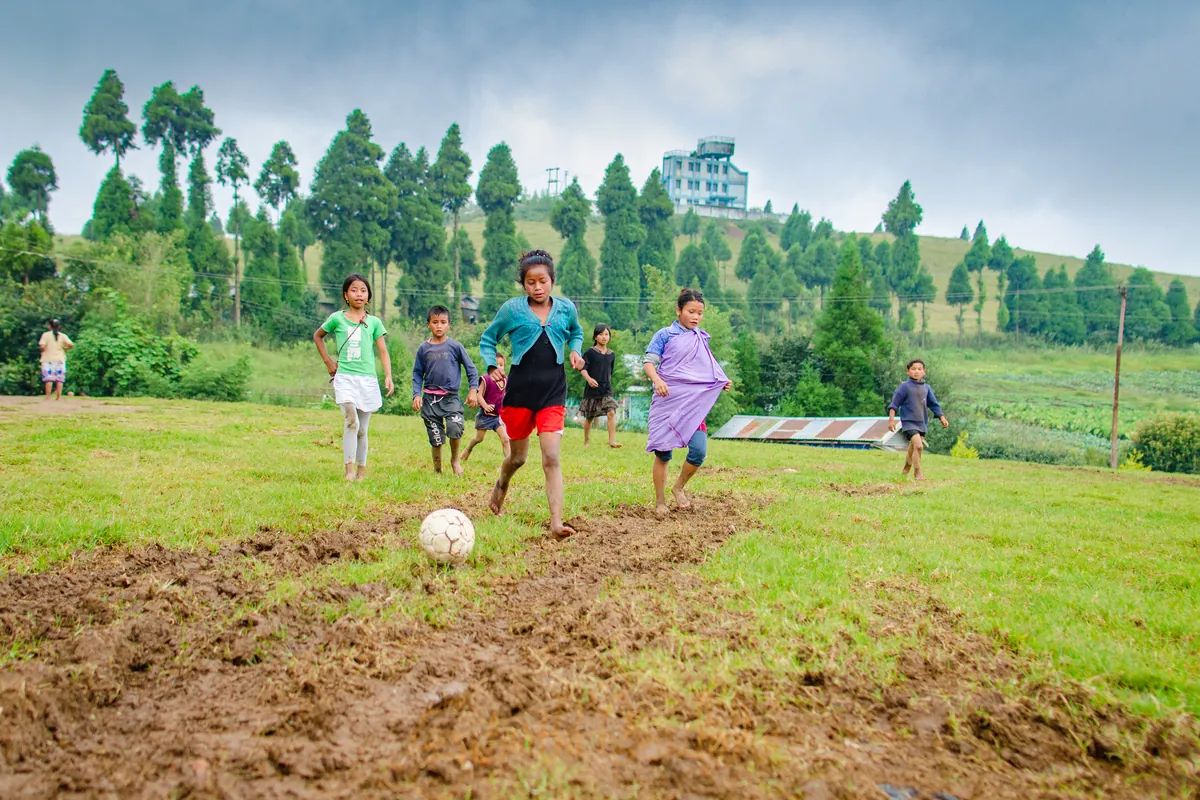
By 10–12, most children can handle more complex sports, technique, teamwork and strategy. This is a good time to take a favourite sport more seriously, join an academy batch and play friendly matches, while still keeping at least one other activity going.
Remember that some children start puberty during these years, and the differences in size and strength between children of the same age can be large. The AAP points out that an early-maturing child's advantage is often temporary and does not necessarily mean more talent, and a late-maturing child's disadvantage is not a lack of ability. In India, the government's Khelo India Rising Talent Identification (KIRTI) programme assesses school children from age 9 to 18, so there is plenty of time for talent to show.
Ages 13+: choose and commit
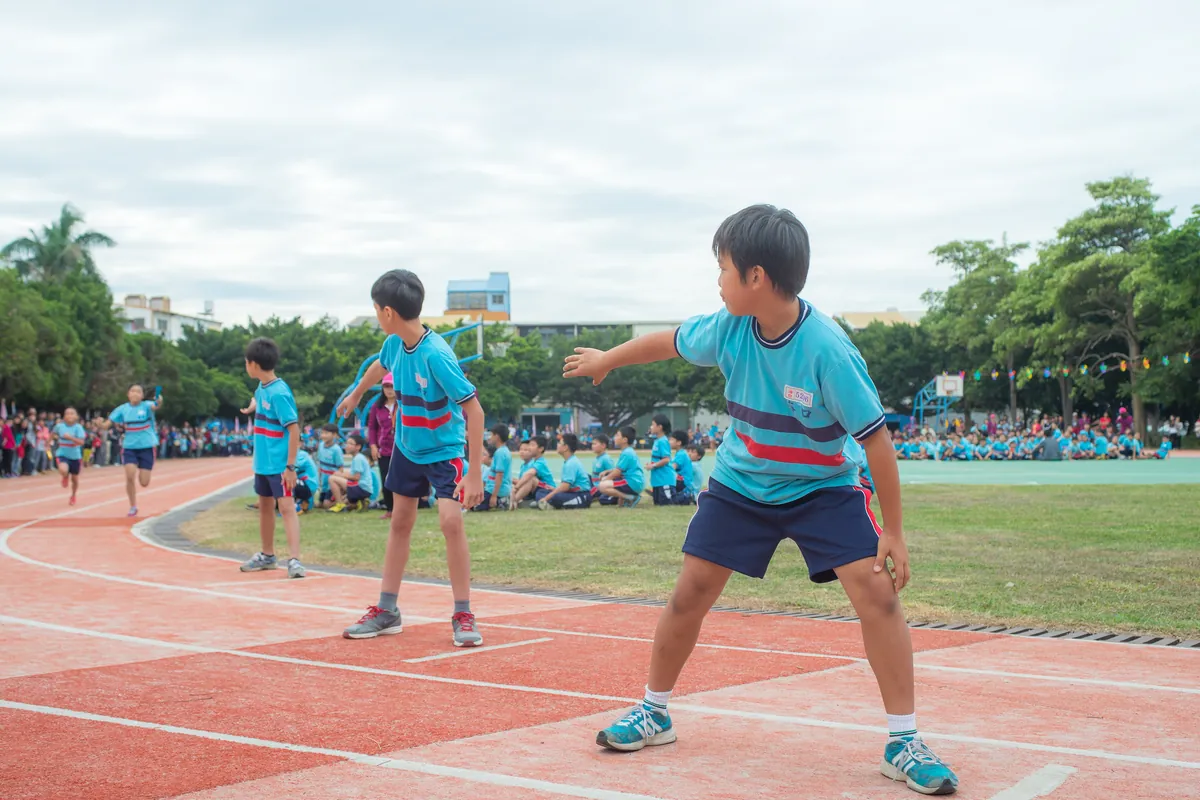
The teenage years are when many young athletes start to focus on one or two main sports, train more and play in district, state and age-group events. Even then, the AAP recommends:
- Delaying single-sport specialisation until about 15–16 for most sports
- At least 1–2 days off per week from the main sport
- At least three months off during the year, in one-month breaks, to recover (staying active in other ways)
The main exceptions are sports where peak performance comes before full physical maturity, such as gymnastics, figure skating and diving, which often involve earlier specialisation (AAP; Sport for Life).
Best age to start popular sports
Parents also ask about the best age to start swimming, cricket, football, badminton, tennis, skating and gymnastics. The chart and table below give typical starting windows: first as play or a modified version of the sport, then as regular coaching. They are guides, not rules.

| Sport | Try it as play | Regular coaching | What the guidance says |
|---|---|---|---|
| Swimming | From age 1, with a parent | Around 4+ | The AAP says swim lessons can begin after the first birthday for many children, and supports lessons for most children aged 4 and older (AAP). |
| Athletics | From 2–3 (running, jumping games) | Around 7+ | World Athletics' Kids' Athletics programme runs team events for ages 7–8, 9–10 and 11–12 (World Athletics). |
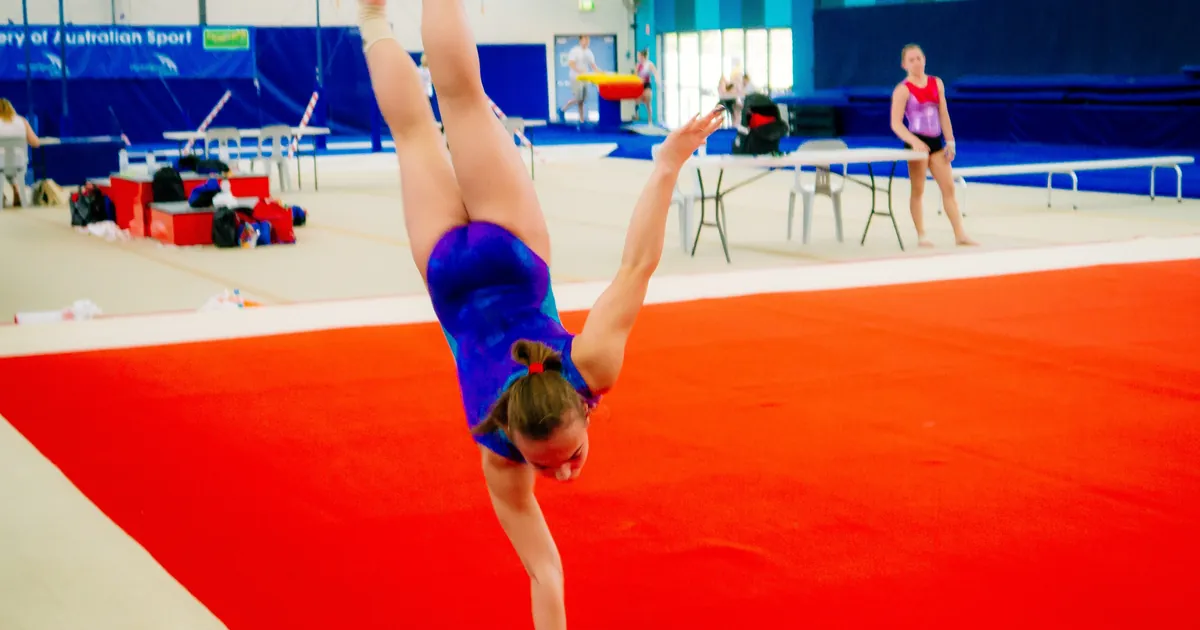
| Gymnastics | From 2–3 (tumbling, rolling) | Around 6+ | The AAP lists tumbling for ages 2–5 and gymnastics for 6–9. It is also an early-specialisation sport. |
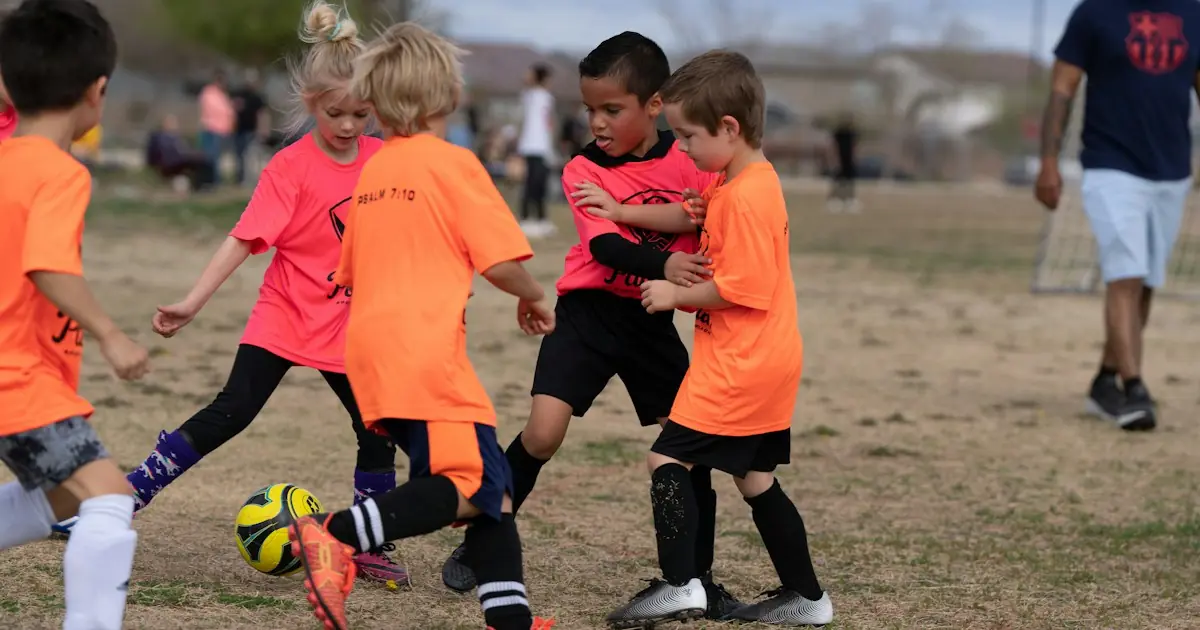
| Football | From 5 | Around 6+ | The AIFF Golden Baby Leagues are for children from under-6 to under-12, with small-sided games (AIFF). |
| Cricket | From 5 (soft ball, plastic bat) | Around 7+ | No national age limit. Academies set their own; examples in our cricket academy guide start from 4 to 7. BCCI's youngest domestic events are boys' Under-16 and girls' Under-15. |
| Badminton | From 6 | Around 8+ | BAI holds Mini (Under-11) national championships, and its national rankings start at Under-13 (BAI). |
| Tennis | From 5 | Around 6+ | ITF Tennis10s uses slower red balls and smaller courts for players up to 8, then orange and green balls (ITF). |
| Skating | From 5 | Around 6+ | The Roller Skating Federation of India's youngest national category is Cadet 6–8 (RSFI age chart). |
| Martial arts | From 5 | Around 6+ | The AAP lists martial arts among sports that suit ages 6–9. |
| Basketball, volleyball, hockey | From 7 (modified) | Around 10+ | The AAP says sports with complex teamwork and strategy are difficult before 10 unless modified for young players. |
Why not to specialise in one sport too early
It is tempting to pick "the" sport at 6 and train hard all year. Research summarised by the AAP points the other way. Young athletes who specialise early and train intensely face more overuse injuries, stress and burnout, and most elite athletes specialised later. The AAP also notes that children who play more hours of organised sport per week than their age in years had a higher risk of overuse injury in one study.
Playing different sports first builds a wider set of movement skills that transfer to the sport your child picks later. For example, a young cricketer who also swims and does athletics usually builds more stamina and better running than one who only bats in the nets.
Which sport is best for my child? How to choose
There is no single best sport for every child. To choose the right sport for your child, look at:
Your child's interest
What do they play when nobody tells them to? Let them try a few things and watch which one makes them excited to go back.
Body and temperament
Some children love team games; others prefer individual sports like swimming, athletics, badminton or martial arts. Neither is better.
The basics first
If your child is under 8, a programme that builds flexibility, stamina, running and swimming is a strong choice whatever the main sport will be later.
Distance and timing
A good academy 10 minutes away usually beats a famous one that takes an hour each way after school.
Coaching quality
Look for age-appropriate batches, a coach who keeps children moving, and a focus on fun and skills. Our academy checklist for parents covers what to check.
Thinking about the best sports for kids' future in India? Early on, a broad base of movement skills matters more than picking the "right" sport, because it keeps every door open.
Signs your child is ready for organised sport
- They can follow simple two- or three-step instructions from a coach
- They can run, stop, change direction and catch a big ball reasonably well
- They can stay with a group activity for 30–45 minutes
- They are excited, not scared, about going to a class
- They can cope with not winning without a long meltdown
The AAP adds that children should not play competitive win-or-lose sports until they understand that their self-worth does not depend on the result.
Budget and time tips for Indian parents
- Start free: running, skipping, cycling and ball games in the park cost nothing and build the same basics.
- Use school sport: school PT periods, sports days and inter-house events are a good low-cost start.
- Ask for a trial class before paying for months in advance, and check what the fee includes.
- Do not buy expensive kit early. Comfortable shoes and basic equipment are enough for the first few months.
- Two or three sessions a week is plenty for a young child alongside school and free play.
Safety first
- Check that the coach is trained and that batches are grouped by age and size.
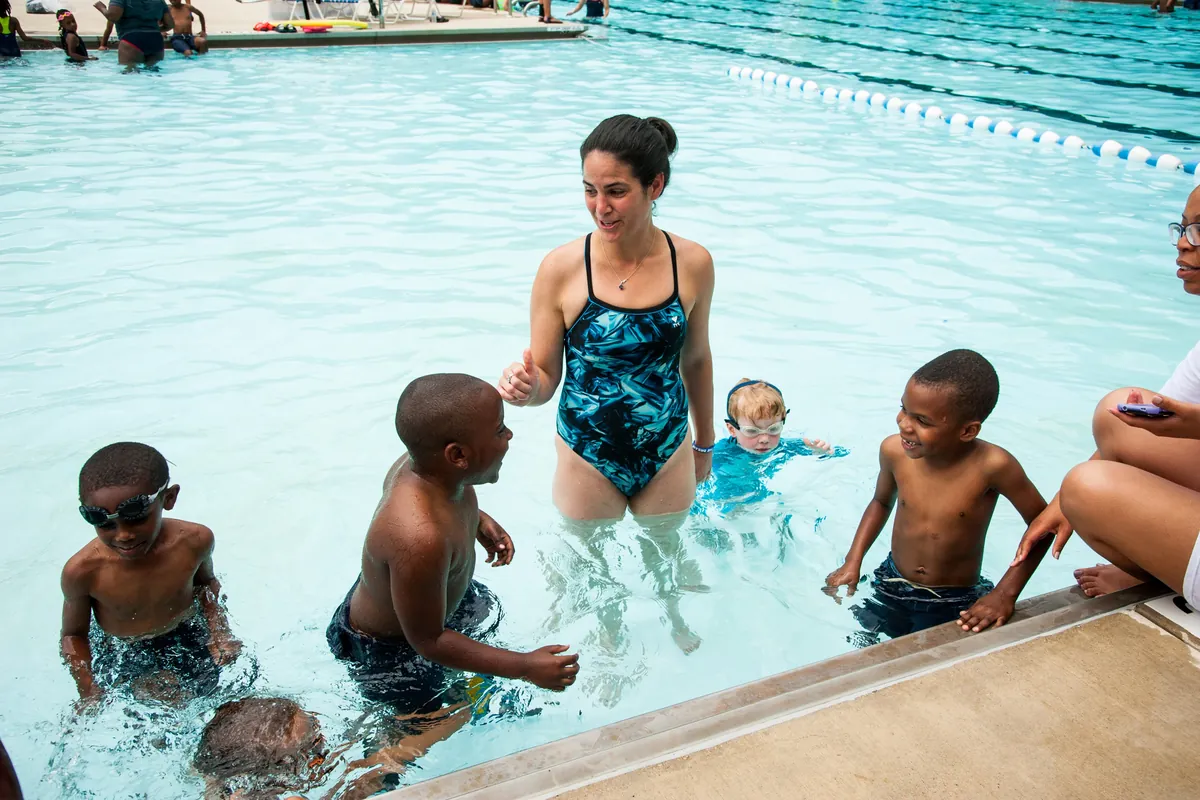
- For swimming, choose lessons with qualified instructors and lifeguards, and always supervise children near water. The AAP stresses that swim lessons do not make a child "drown-proof".
- Make sure equipment is the right size: smaller balls, lighter bats and rackets, and protective gear where needed.
- Watch for pain that does not go away, tiredness and loss of interest. See a doctor if pain or injury persists.
- Rest days, sleep, water and regular meals matter as much as training.
How FAB SPORTS helps parents get started
FAB SPORTS is a free sports app for athletes, parents, coaches and academies in India. When you are ready to choose a class, you can:
- Find nearby academies for swimming, athletics, gymnastics, cricket, football, badminton and more, and compare their packages
- Build your child's athlete profile with achievements, photos and videos
- See attendance, weekly training plans and performance updates when your child's academy uses FAB SPORTS
- Check BMI and stats, and help your child learn the rules of the game with daily Sports IQ quizzes
Every FAB SPORTS tool is free, with no subscription. Academy fees and product prices are set by the academies and sellers, not by FAB SPORTS. See the step-by-step athlete guide to finding and joining an academy.
Conclusion
The best age to start sports for kids is earlier than most parents think, but in a different way than they expect. Start with daily play from age 2, move to fun, varied classes around 6, take one or two sports more seriously from 10–12, and save single-sport specialisation for the mid-teens. At the start, focus on flexibility, stamina, running and swimming. Those basics make every later sport easier, safer and more fun.
Ready to find a class near you? Download FAB SPORTS free on the App Store or get it on Google Play.
Sources
- American Academy of Pediatrics (HealthyChildren.org): Is Your Child Ready for Sports?
- AAP clinical report: Sports Specialization and Intensive Training in Young Athletes (Pediatrics, 2016)
- AAP (HealthyChildren.org): Swim Lessons, When to Start
- World Health Organization: Physical activity fact sheet
- Sport for Life: Long-Term Development stages
- Sport for Life: Long-Term Athlete Development 2.1
- Press Information Bureau: Khelo India Rising Talent Identification (KIRTI)
- AIFF: Golden Baby Leagues
- World Athletics: Kids' Athletics
- Roller Skating Federation of India: age group chart
Frequently Asked Questions
What is the best age to start sports for kids?
Children can start active play from about age 2. Most are ready for simple organised sport with adapted rules around age 6, more complex team sports around 10–12, and specialising in one sport usually works best around 15–16 for most sports.
Which sport should my child start with?
Start with activities that build flexibility, stamina and basic life skills: gymnastics, athletics (running, jumping, throwing) and swimming. These give a strong base for cricket, football, badminton and other sports later.
What sports are good for a 3 year old?
At 3, daily active play is best: running and chasing games, throwing and catching a soft ball, balancing, tumbling, cycling, dancing and getting comfortable in water with a parent. Organised competition is not needed at this age.
What is the right age to start swimming lessons?
The AAP says swim lessons can begin after a child's first birthday for many children, and supports lessons for most children aged 4 and older. Lessons do not make a child drown-proof, so close adult supervision is always needed.
What is the best age to start cricket coaching in India?
There is no national age limit. Many academies take children from about 4 to 7. Soft-ball cricket from around 5 and regular coaching from around 7 works well for most children, ideally alongside running and swimming.
Is it bad to put my child in only one sport?
For most sports, playing several sports until puberty lowers the risk of overuse injuries, stress and burnout. The AAP suggests delaying single-sport specialisation until about 15–16, except for sports like gymnastics, figure skating and diving.