Parent guides · 10 min read
Gymnastics, Athletics and Swimming: The Best First Sports for Kids
Before cricket, football or badminton, every child needs a body that bends, runs and floats. That is why FAB SPORTS recommends gymnastics, athletics and swimming as the foundation for every young athlete.
On this page
- Why gymnastics, athletics and swimming come first
- Gymnastics first: flexibility, body control, strength and coordination
- Athletics: sprints for speed and stamina
- Swimming: an essential life skill for every child
- Basic swimming milestones to aim for
- How to fit all three into a school week
- Best sport for flexibility, and best sport for stamina
- Gymnastics vs athletics: do you have to choose?
- From foundation to main sport
- Safety tips for parents
- How FAB SPORTS helps you start
- Conclusion
- Sources
- Frequently Asked Questions
Ask ten parents what the best first sport for kids is and you will hear ten answers: cricket, football, badminton, skating, karate. At FAB SPORTS our view is simple. Before a child picks a main sport, they should build three foundations: gymnastics for flexibility and body control, athletics for speed and stamina, and swimming as an essential life skill.
This is not just our opinion. The Sport for Life long-term development model lists athletics, gymnastics and swimming (with skating-type activities) as the activities that, "in combination, provide a base for all other sports" (Sport for Life, LTAD 2.1). This guide explains what each one builds, when to start, and how to fit all three into a normal school week.

Why gymnastics, athletics and swimming come first
Every sport is built on the same basic movements: running, jumping, landing, balancing, twisting, throwing, catching and moving in water. Sport for Life calls the ability to do these well physical literacy (in Hindi, you could say sharirik saksharta: being "literate" in movement). It explains that physically literate children "move with competence and confidence in a wide variety of physical activities", and that physical literacy is the foundation for both lifelong activity and sporting excellence.
The three foundation sports cover these basics from different sides:
- Gymnastics builds the ABCs of athleticism: agility, balance, coordination and speed, plus flexibility and strength.
- Athletics teaches children to run, jump and throw properly, and builds speed and stamina.
- Swimming is first a safety skill, then a whole-body fitness sport and the base for every water sport.
A child who has these three basics usually finds it easier to learn the specific skills of cricket, football, badminton, hockey or kabaddi later.
Gymnastics first: flexibility, body control, strength and coordination
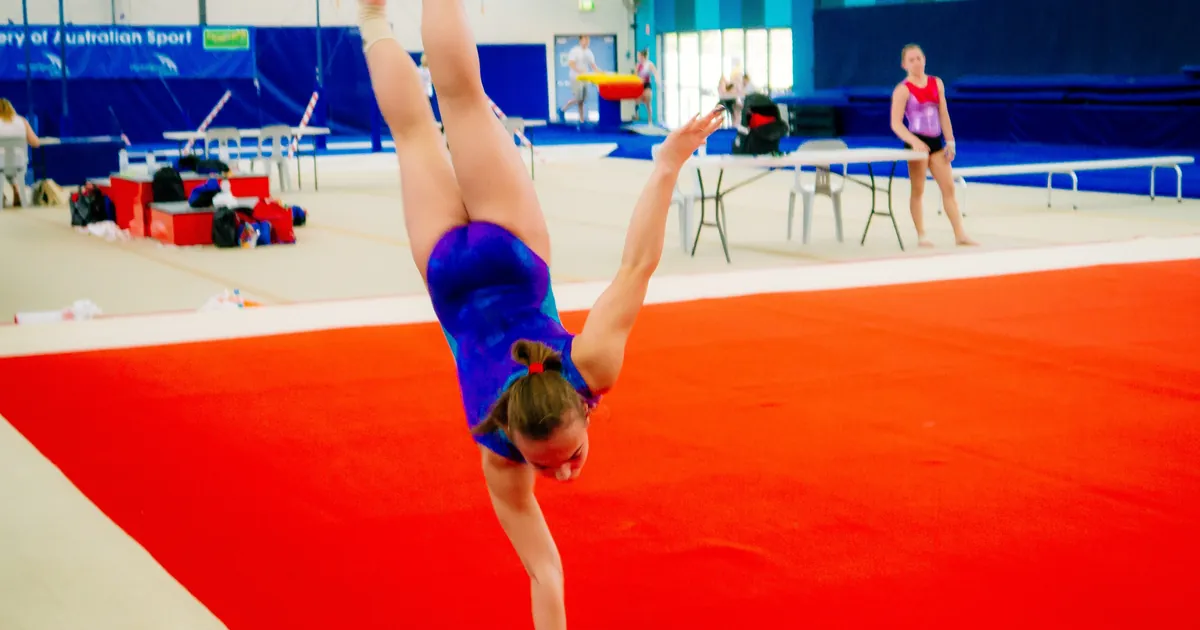
If we had to choose one sport for every child to begin with, it would be gymnastics. Sport for Life's physical literacy guide describes gymnastics as "a great way for young children to learn and develop their agility, balance, and coordination" (Developing Physical Literacy).
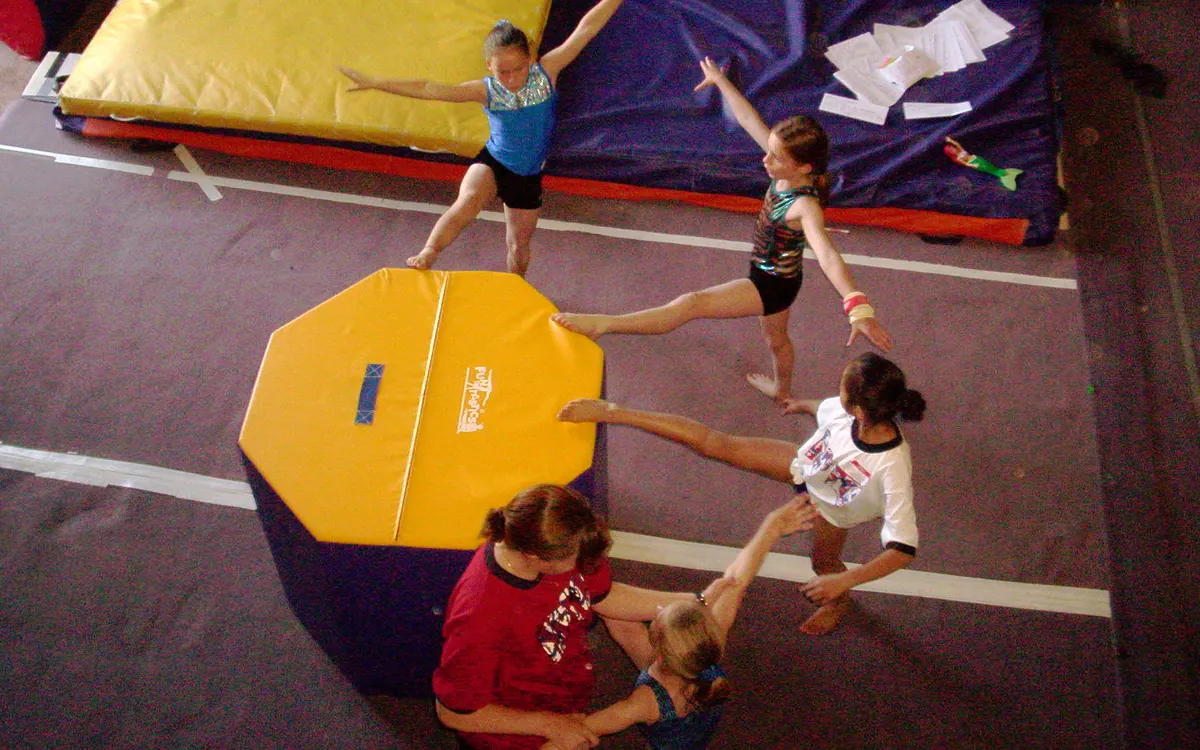
Benefits of gymnastics for kids
- Flexibility: regular stretching, bridges and splits keep muscles and joints moving through their full range.
- Body control: children learn where their body is in space, which helps in every sport, from a cricket dive to a football turn.
- Strength: hanging, holding, pushing and supporting their own body weight builds strength without heavy weights.
- Coordination and balance: rolls, cartwheels and beam work train both sides of the body to work together.
- Safe falling and landing: learning to land and roll safely is useful in almost every sport.
- Confidence and discipline: mastering a new skill, one step at a time, teaches patience and focus.
India also has its own gymnastics-style tradition, Mallakhamb, where athletes perform holds and balances on a wooden pole or rope. It builds the same grip strength, flexibility and body control.
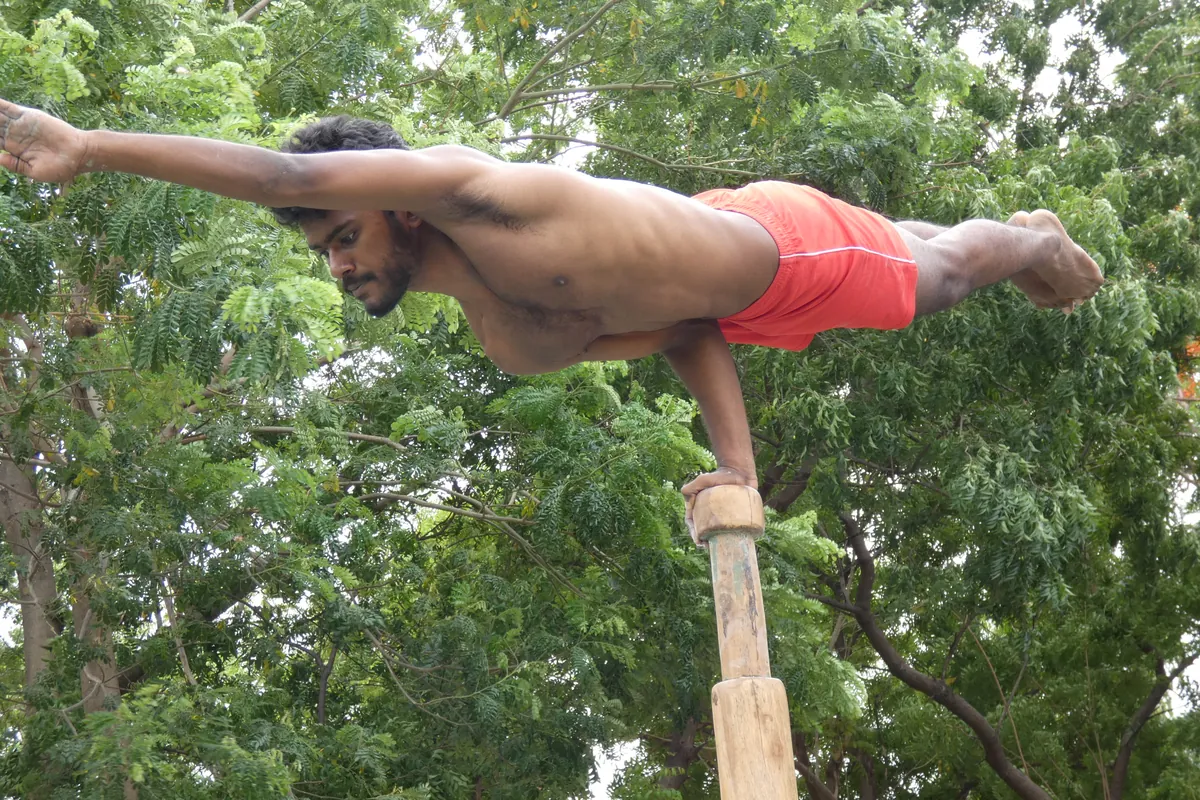
Best age to start gymnastics
The American Academy of Pediatrics lists tumbling among the activities that suit ages 2–5, and gymnastics among the sports that suit ages 6–9 (AAP). In practice:
- Ages 2–5: playful tumbling, rolling, balancing and climbing, at home or in a pre-school class
- Ages 6–9: recreational gymnastics classes once or twice a week
- Later: keep it going as a fitness and flexibility base, or move to competitive gymnastics if your child loves it
One important note: competitive gymnastics is an "early specialisation" sport, where top performance often comes before full physical maturity (Sport for Life). For most children, a recreational class focused on basics is what you want. If your child moves into competitive training, choose a qualified coach and watch closely for pain, stress and overtraining.
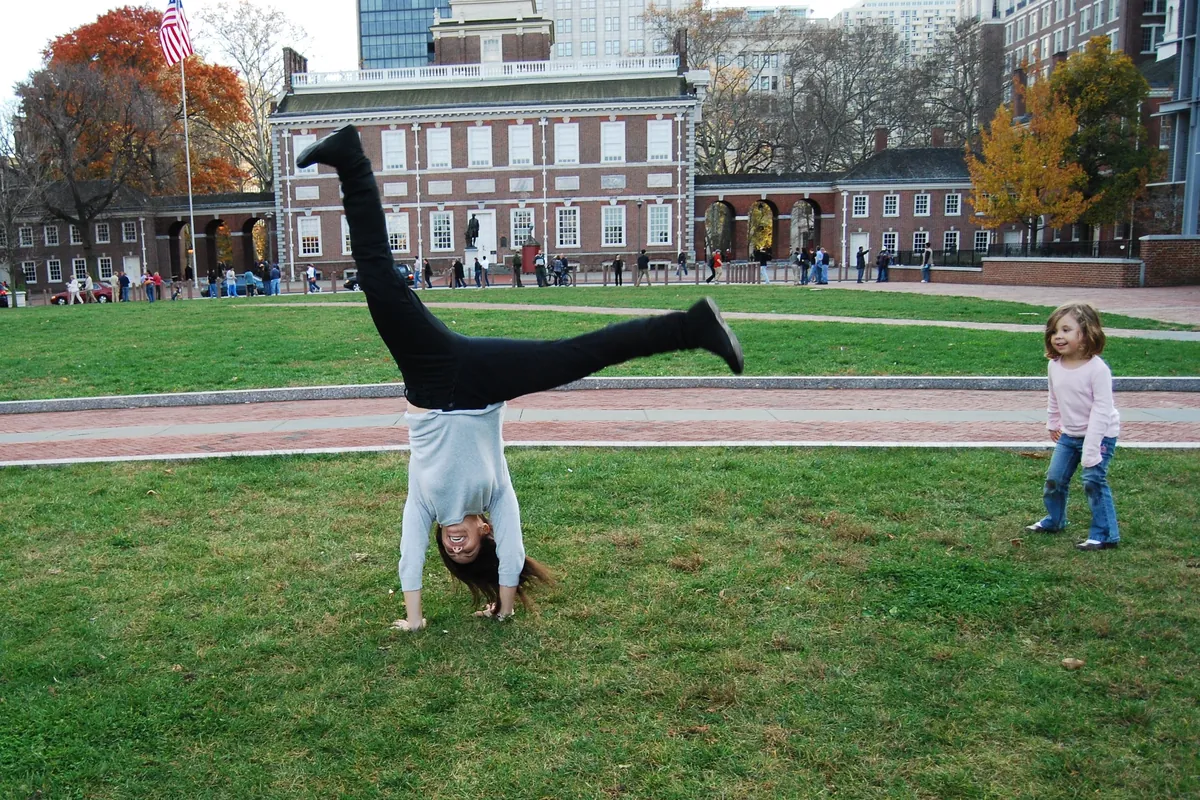
Athletics: sprints for speed and stamina
Running is the most basic sports skill of all, and athletics teaches it properly. Sport for Life sums up athletics as "run, jump, throw", and its physical literacy guide calls athletics "a great way to develop speed and coordination".
What athletics builds
- Speed: short sprints train a quick start, fast leg turnover and good running form.
- Stamina: longer runs and repeated sprints build the endurance to last a full match.
- Power: jumping and throwing build explosive strength for every sport.
- Reaction and rhythm: starts, relays and hurdles teach timing and quick reactions.
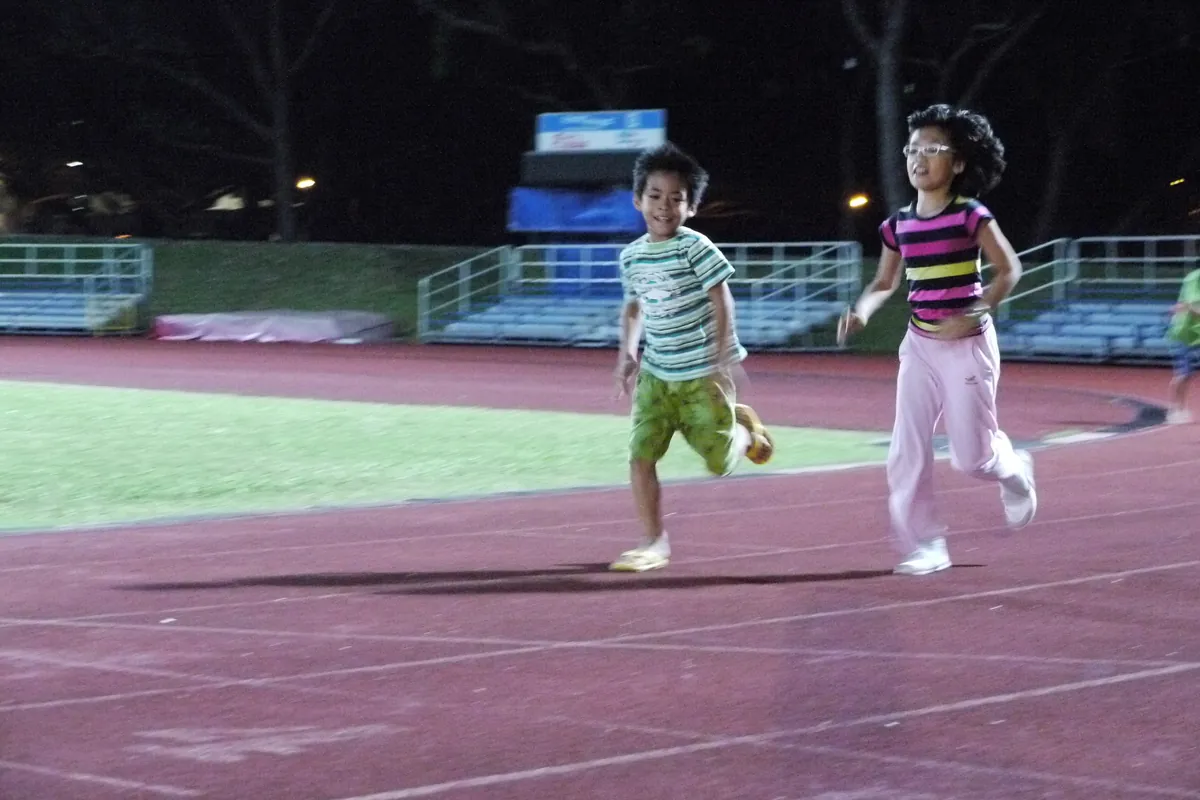
Sprint training for kids: 100m, 200m and 400m
The classic sprint events, 100m, 200m and 400m, are a great target as children grow. Each one builds something different: the 100m is pure speed, the 200m adds running the bend and holding speed, and the 400m is a real test of speed and stamina together.
For young children, sprint training should look like games, not adult workouts. World Athletics' Kids' Athletics programme, built for children roughly 4 to 14, uses team events such as sprint and hurdle shuttle relays for ages 7–10, and adds hurdles and a 1000m endurance run for ages 11–12 (World Athletics). A sensible path is:
- Ages 4–6: running and chasing games, short races, hopping and skipping
- Ages 7–10: short sprints, relays, starts, jumping and throwing games
- Ages 11–13: proper sprint technique, 100m and 200m races, hurdles and longer runs
- Teens: structured training for 100m, 200m and 400m with a qualified athletics coach
Athletics is also a strong Indian pathway. School sports days, district and state athletics meets and Khelo India events all include sprints, and the government's KIRTI talent identification programme assesses school children aged 9 to 18.

Swimming: an essential life skill for every child
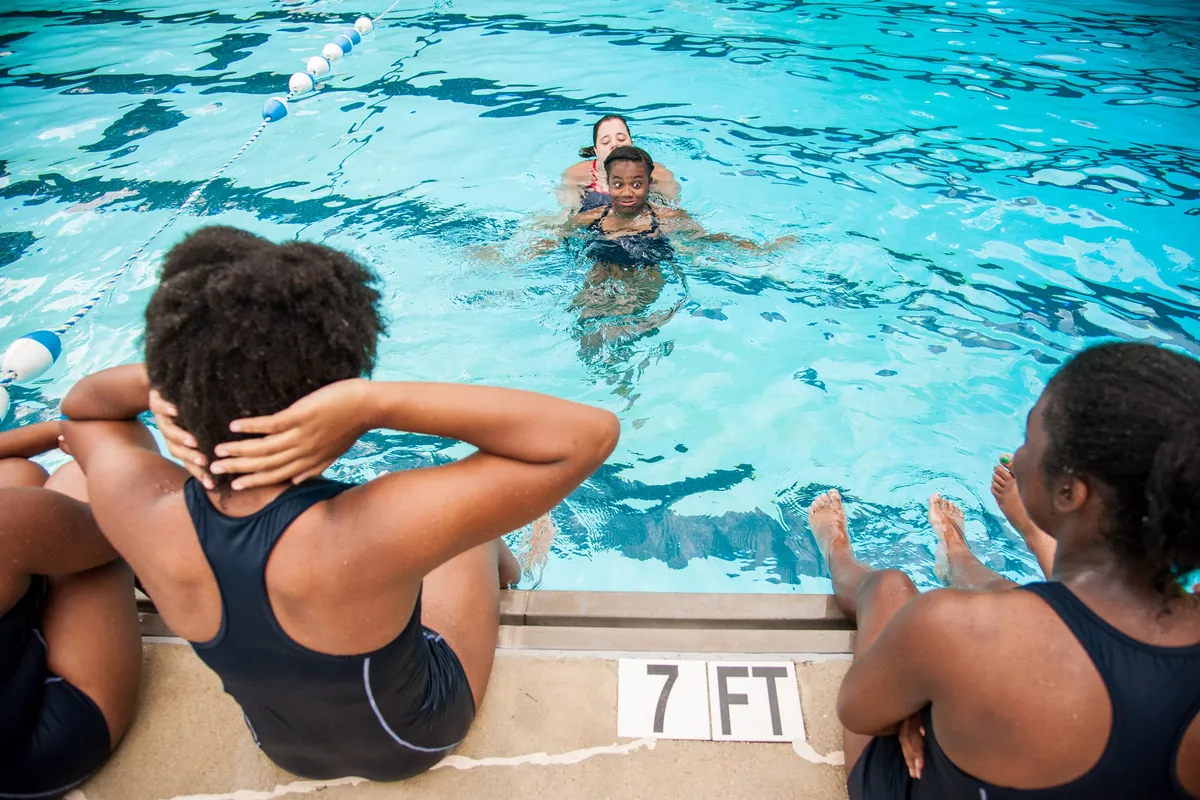
Swimming is the one foundation we would call non-negotiable. Your child may never swim competitively, but every child should at least learn basic swimming and water safety.
The World Health Organization says drowning is the third leading cause of death for children aged 5–14 and the fourth for children aged 1–4 worldwide (WHO drowning fact sheet). The WHO lists teaching school-age children basic swimming, water safety and safe rescue skills as one of its drowning-prevention actions, with an emphasis on safe, well-run programmes.
Benefits of swimming for kids
- Safety: the ability to float, breathe and get to the side can save a life.
- Stamina: swimming builds heart and lung fitness that carries over to every land sport.
- Whole-body strength and coordination: arms, legs and core all work together.
- Breathing control: rhythmic breathing builds calm and focus.
Basic swimming milestones to aim for
WHO guidance says basic swimming and water safety programmes usually check, at a minimum, that a child can (WHO, Preventing drowning: practical guidance):
- Enter the water and come back up with their head above water
- Keep their head above water for at least 30 seconds, for example by treading water
- Swim at least 25 metres in a controlled direction, in any style
- Use simple self-rescue skills
Best age to start swimming
The AAP says swim lessons can begin after a child's first birthday for many children, depending on their readiness, and supports lessons for most children aged 4 and older (AAP). The WHO's guidance focuses on school-age children aged 6 and older. Swim lessons never make a child "drown-proof", so constant adult supervision near water is still essential.
If your child loves the pool, they can go further into competitive swimming. If not, that is fine too. The goal is that every child can swim.
How to fit all three into a school week
You do not need to fill every evening. The WHO recommends that children aged 5–17 do an average of at least 60 minutes of moderate-to-vigorous activity a day (WHO), and the AAP suggests at least one or two days a week off organised sport. Here is an example week for a 6–9 year old:

- Gymnastics: 1–2 classes a week
- Athletics: 1 session a week, or a school athletics club
- Swimming: 1 lesson a week, more in summer holidays
- Free play on the other days, with one or two rest days from organised sport
If time or budget is tight, rotate them by season. For example, swimming in summer, athletics in winter and gymnastics through the school year.
Best sport for flexibility, and best sport for stamina
Parents often search for the best sport for flexibility or the best sport for stamina. For children, the simple answer is:
| Goal | Best foundation sport | Why |
|---|---|---|
| Flexibility | Gymnastics | Stretching, bridges, splits and rolls are part of every class |
| Body control and balance | Gymnastics | Beam, floor and landing work train balance and coordination |
| Speed | Athletics (sprints) | 100m and 200m sprints train a fast start and fast running |
| Stamina | Athletics and swimming | The 400m, longer runs and continuous swimming build endurance |
| Safety | Swimming | Floating, breathing and self-rescue are life skills |
Gymnastics vs athletics: do you have to choose?
No. They are partners, not rivals. Gymnastics builds flexibility, strength and body control; athletics builds speed and stamina. Together with swimming, they give a balanced base. Children can keep one of them as a lifelong fitness activity after they pick a main sport, for example a cricketer who still sprints or a footballer who still stretches like a gymnast.
From foundation to main sport
Most children can add a team or racquet sport from around 6–9, as long as the foundation sports keep going alongside it. The AAP recommends playing multiple sports at least until puberty, and delaying single-sport specialisation until about 15–16 for most sports. For the full age-by-age plan, read our guide to the best age to start sports for kids.
Safety tips for parents
- Gymnastics: choose a class with qualified coaches, proper mats and age-grouped batches. Children should never try advanced flips at home without supervision.
- Athletics: warm up, wear comfortable running shoes and build distance slowly. Sprinting on a hard road is tougher on young legs than a track or grass.
- Swimming: lessons with trained instructors and lifeguards on duty, and an adult always watching near water.
- All three: rest days, sleep, water and regular meals. See a doctor if pain does not go away.
How FAB SPORTS helps you start
FAB SPORTS is a free sports app for athletes, parents, coaches and academies in India. You can:
- Find nearby academies for gymnastics, athletics and swimming and compare their packages
- Build your child's athlete profile and record achievements
- Log daily sports performance and check stats like sprint times over the months
- See attendance and weekly training plans when your child's academy uses FAB SPORTS
Every FAB SPORTS tool is free, with no subscription. Academy fees and product prices are set by the academies and sellers, not by FAB SPORTS. See the athlete guide to finding and joining an academy to get started.
Conclusion
The best first sports for kids are the ones that build the body every other sport needs. Start with gymnastics for flexibility, body control, strength and coordination. Add athletics, with sprints from 100m to 400m as they grow, for speed and stamina. Make sure every child learns swimming, at least the basics, because it is a life skill. Then let your child choose their main sport with a strong base already in place.
Find gymnastics, athletics and swimming classes near you. Download FAB SPORTS free on the App Store or get it on Google Play.
Sources
- Sport for Life: Long-Term Athlete Development 2.1
- Sport for Life: Developing Physical Literacy
- Sport for Life: Key factors (specialisation)
- World Health Organization: Drowning fact sheet
- WHO: Preventing drowning, practical guidance
- World Health Organization: Physical activity fact sheet
- American Academy of Pediatrics (HealthyChildren.org): Is Your Child Ready for Sports?
- AAP (HealthyChildren.org): Swim Lessons, When to Start
- AAP clinical report: Sports Specialization and Intensive Training in Young Athletes
- World Athletics: Kids' Athletics
- Press Information Bureau: Khelo India Rising Talent Identification (KIRTI)
Frequently Asked Questions
What is the best first sport for kids?
At FAB SPORTS we recommend starting with gymnastics, athletics and swimming. Gymnastics builds flexibility and body control, athletics builds speed and stamina, and swimming is an essential life skill. Sport for Life lists these activities as a base for all other sports.
What are the benefits of gymnastics for kids?
Gymnastics builds flexibility, strength using body weight, balance, coordination, body control and safe landing skills. It also builds confidence and focus, and these skills help in almost every other sport.
What is the best age to start gymnastics?
Playful tumbling and rolling can start around 2–5, and the AAP lists gymnastics among sports that suit ages 6–9. For most children a recreational class is best; competitive gymnastics is an early-specialisation sport that needs a qualified coach.
Is sprinting good for kids?
Yes, when it is done as games, relays and short races. Kids' Athletics programmes use sprint and hurdle relays for ages 7–10. Proper 100m, 200m and 400m training fits better from the early teens with a qualified coach.
Should every child learn swimming?
Yes. The WHO lists teaching school-age children basic swimming, water safety and rescue skills as a drowning-prevention action. Your child does not have to swim competitively, but every child should at least learn basic swimming.
Can my child do gymnastics, athletics and swimming together?
Yes. An example week for a 6–9 year old is one or two gymnastics classes, one athletics session and one swimming lesson, with free play on other days and one or two rest days from organised sport.