Athlete guides · 13 min read
The Importance of Meditation in Sports: Benefits, Breathing and a Daily Routine for Athletes
Fitness, skill and tactics win matches, but so does a calm, focused mind. Here is why meditation matters for every athlete, what research says, and a simple routine you can start today.
On this page
- What is meditation for athletes?
- Benefits of meditation in sports: what the research says
- 1. Meditation for focus and concentration in sports
- 2. A calm body and calm decision-making
- 3. Smoother reflexes: why the game can feel slower
- 4. Handling pressure and the toughest situations
- 5. Character building: discipline, patience and respect
- 6. Breathing practice comes built in
- A simple meditation routine for athletes (5–10 minutes a day)
- When should athletes meditate?
- Meditation for young athletes: a note for parents
- For coaches and academies: add 5 minutes to every session
- Safety and common mistakes
- How FAB SPORTS helps
- Conclusion
- Sources
- Frequently Asked Questions
Most athletes train their body every day: running, drills, nets, gym. Very few train their mind with the same discipline. That is the real importance of meditation in sports. When an athlete meditates regularly, concentration gets stronger, focus becomes clear, and the body and mind stay calm when the game gets hard. Calm athletes read the game better, so game tactics and game smartness improve almost automatically.
At FAB SPORTS we see meditation as part of training, not something extra. This guide explains the benefits of meditation in sports in simple words, what sport-science research actually shows, and a beginner routine for players, parents and coaches. You do not need special equipment, an app or a subscription. You only need 5–10 minutes and a quiet place to sit.

What is meditation for athletes?
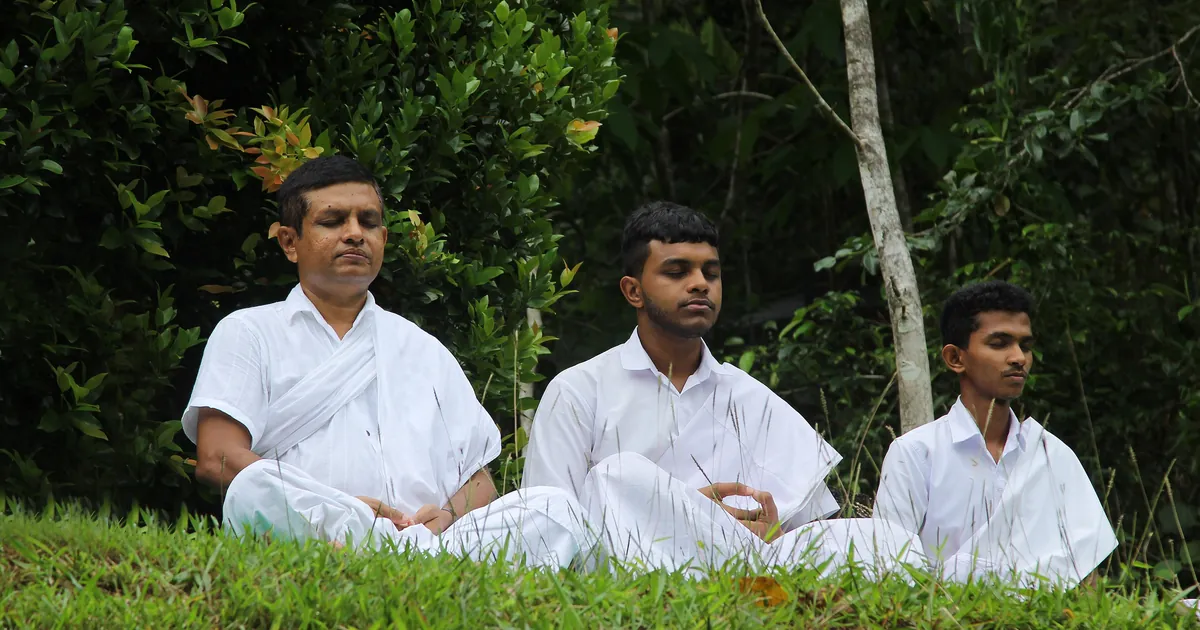
Meditation is training your attention. You sit (or lie) still, choose one thing to focus on, usually your breath, and every time your mind wanders you gently bring it back. That "bring it back" moment is the rep, just like one push-up in the gym. Over weeks, the attention muscle gets stronger.
In sport psychology this is often called mindfulness: paying attention to the present moment, on purpose, without judging it. In India many athletes already know it as dhyana, and meditation is usually practised together with pranayama (breathing practice). The Ministry of AYUSH's Common Yoga Protocol, used every year on International Day of Yoga, includes both pranayama and dhyana. You do not have to follow any religion to meditate. For an athlete, it is a mental skill, like visualisation or goal setting.
Benefits of meditation in sports: what the research says
Research on mindfulness for athletes is growing, and the overall picture is encouraging, with some honest limits:
- A meta-analysis in Sports Medicine pooled nine controlled trials with 290 athletes from sports such as shooting, judo, hockey, rugby, volleyball and running. Mindfulness practice improved psychological performance measures, and performance itself improved in precision sports like shooting and darts. The authors concluded it is reasonable to use mindfulness as a regular part of mental skills training, at least in precision sports (Bühlmayer et al., 2017).
- A 2025 meta-analysis of 12 randomised trials found that mindfulness training improved athletes' attention and inhibitory control, the ability to stop a wrong move in time (Mindfulness journal, 2025).
- In elite athletes, a review of 12 randomised trials in the British Journal of Sports Medicine found mindfulness programmes reduced anxiety and stress and improved well-being (BJSM, 2023).
The honest part: studies are still small and vary a lot. A large 2023 review of psychological interventions found that the performance effects of mindfulness became uncertain once only the strictest randomised trials were counted (Sports Medicine, 2023). So treat meditation as a strong complement to good coaching, fitness and practice, never a replacement.
1. Meditation for focus and concentration in sports
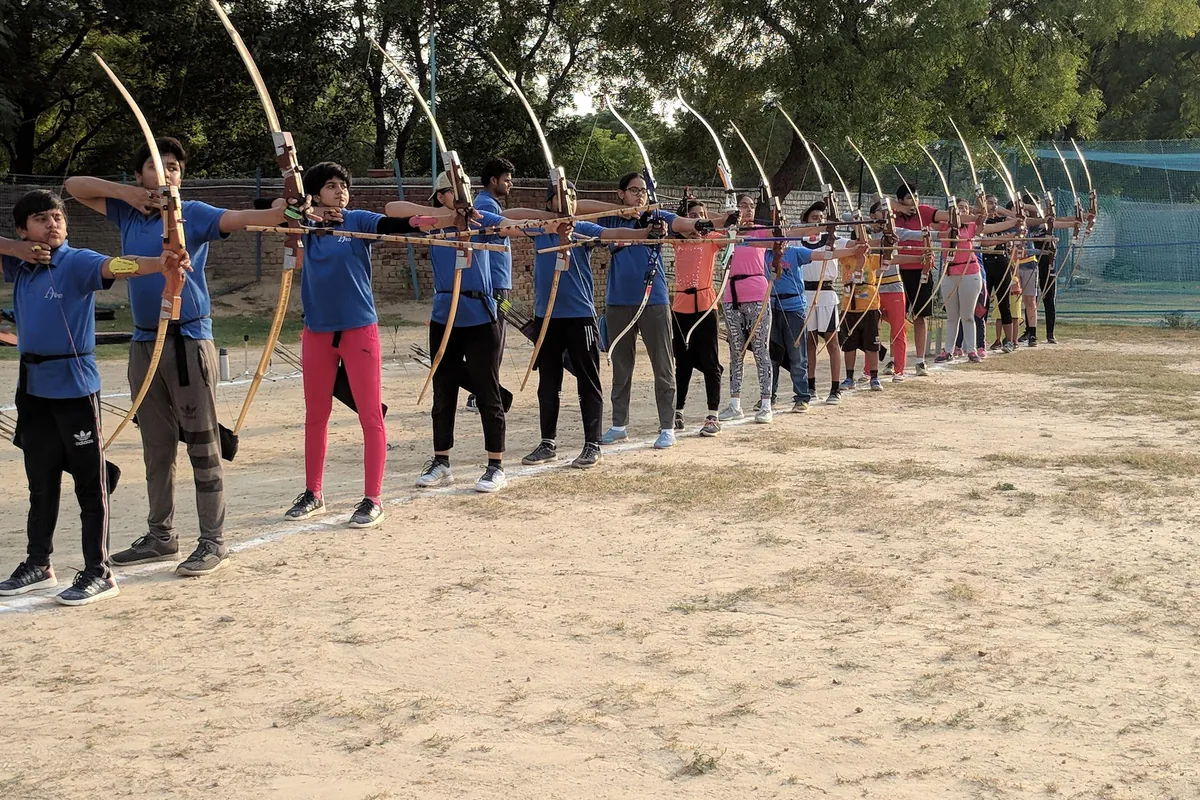
Every sport is a test of attention. A batter must watch the ball out of the bowler's hand, an archer must stay with one shot at a time, a footballer must keep scanning the field. Distractions are everywhere: the crowd, the score, a bad call, a mistake two minutes ago.
Meditation trains exactly the skill sport needs: notice that the mind has drifted, and bring it back to the task, fast. With regular practice, many athletes find their concentration power increases and their focus becomes very clear. And when your attention is on the right thing, you see more of the game: the gap in the field, the opponent's weak side, the moment to change pace. That is why game tactics and game smartness often improve on their own once focus improves.
Try this simple test: during practice, count how many times you think about something other than the current ball, shot or play. Repeat the count after four weeks of daily meditation. Writing it down in a training diary makes the change easier to see.
2. A calm body and calm decision-making
Under pressure the body reacts first: faster breathing, tight shoulders, a racing heart, shaky hands. That tension makes skills harder. A tight grip ruins a drop shot, a stiff body slows a sprint start, and a rushed mind picks the wrong pass.
Meditation brings calmness into the body and, just as important, calmness into decision-making. When you practise sitting with your breath every day, you learn to notice tension early and let it go. In a match, that means you can take one slow breath, release your shoulders and choose the smart option instead of the panicked one. Research on athletes supports this link: mindfulness programmes have been shown to lower anxiety and stress, which are among the biggest enemies of good decisions in sport (BJSM, 2023).
3. Smoother reflexes: why the game can feel slower
Ask experienced athletes about their best days and many describe the same thing: the ball looked bigger, the game felt slower, they had time. With regular meditation practice, many athletes report a similar feeling: they seem to have more time to perform the action, so their reflexes feel smoother and their sport feels easier to play.
We want to be clear about what this is. Meditation does not change real time or make the ball travel slower. It is a change in how you experience time. A study from the University of Kent found that a short breath-focused mindfulness exercise made people judge durations as slightly longer than before, likely because of changes in attention (Kramer et al., 2013). The researchers studied lab tasks, not matches, so this is a clue, not proof.
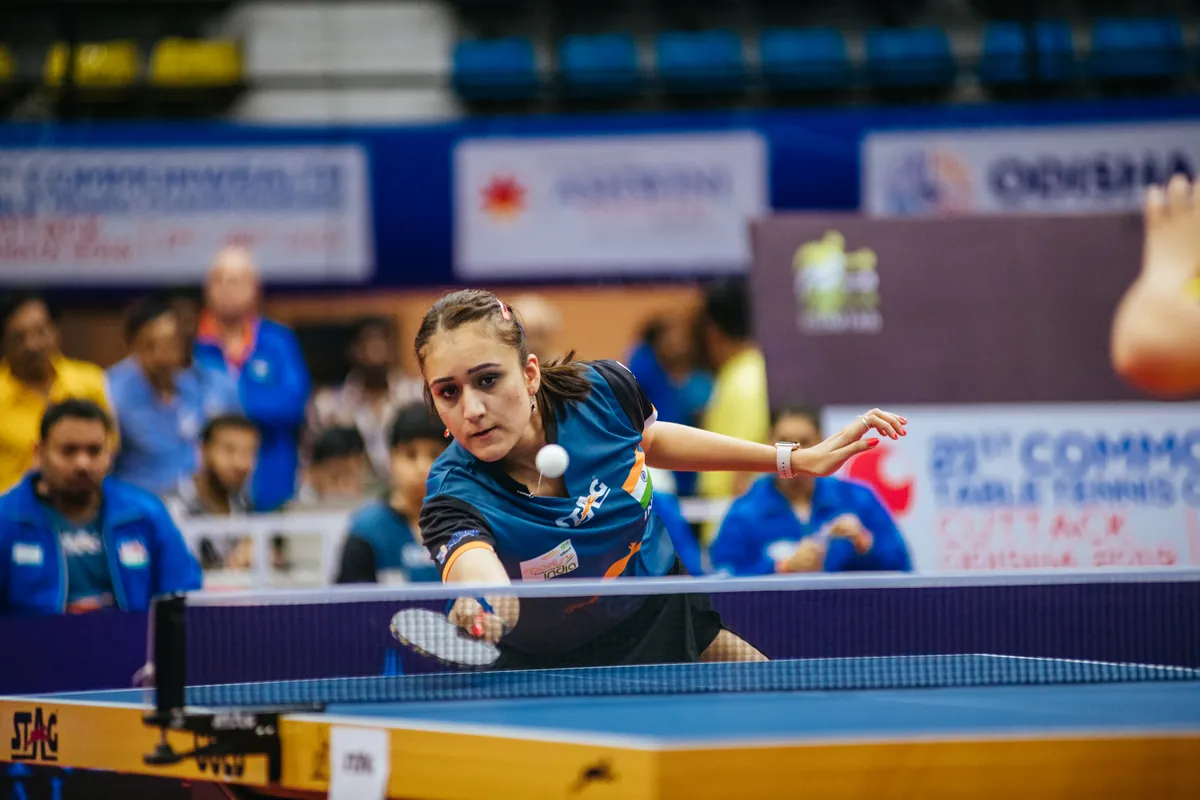
A practical way to understand it: a calm, focused athlete spends less attention on worry and more on the ball, the opponent and the space. With less "noise", reactions feel cleaner and decisions come faster. Mindfulness training has also been linked to better inhibitory control, the ability to stop a wrong movement in time, which matters in fast sports like table tennis, badminton, boxing or a goalkeeper's dive (2025 meta-analysis). Real reaction speed still comes from practice and good coaching; meditation helps you use it better.
4. Handling pressure and the toughest situations
A penalty shoot-out, the last over, match point, a final round at district or state trials: these are the moments athletes remember. Pressure does not go away, but you can change how you respond to it.
When you stay calm, you make better decisions. When you make better decisions, even the toughest situation becomes something you can play out step by step. Meditation trains you to stay in the present: this ball, this breath, this move, instead of the scoreboard or what people will say. Over time, athletes who meditate often say pressure feels more like focus and less like fear.
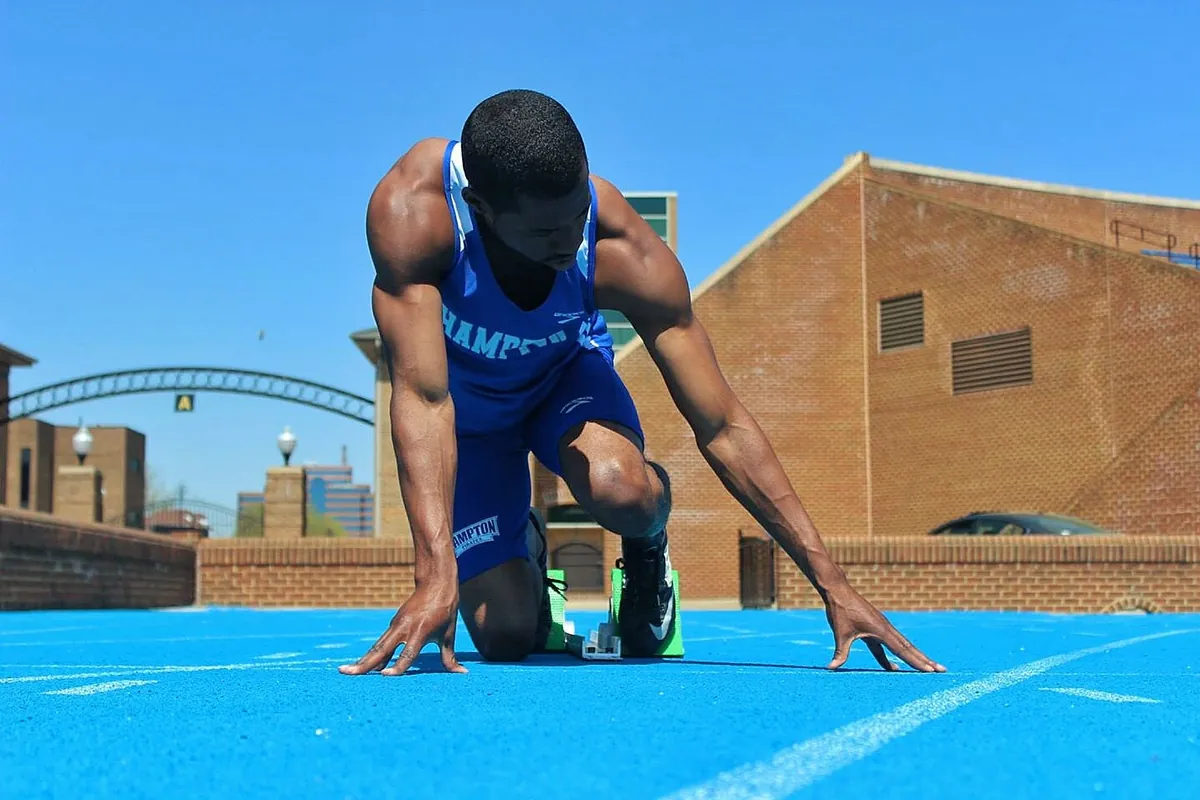
5. Character building: discipline, patience and respect
Meditation is also great for character building. Sitting quietly for ten minutes every day, even when you do not feel like it, is discipline. Watching anger or frustration rise and choosing not to act on it is self-control. Accepting a bad call or a loss without breaking down is maturity.
These qualities make better teammates and better people, not only better players. Coaches can look for these signs: fewer arguments with officials, quicker recovery after a mistake and more consistent training. In research with children and teenagers, mindfulness programmes have shown small but real benefits for attention, self-regulation and stress (Dunning et al., 2019).
6. Breathing practice comes built in
One of the best parts of meditation is that breathing practice happens at the same time. Most meditation starts with the breath: slow, controlled, through the nose. For athletes this is valuable in two ways. First, slow breathing helps the body shift into a calmer state. A systematic review found that slow breathing (around six breaths a minute) was linked with more relaxation and alertness and less anxiety (Zaccaro et al., 2018). Second, an athlete who is aware of their breathing can use it on demand, between points, before a free throw or at the top of a run-up.
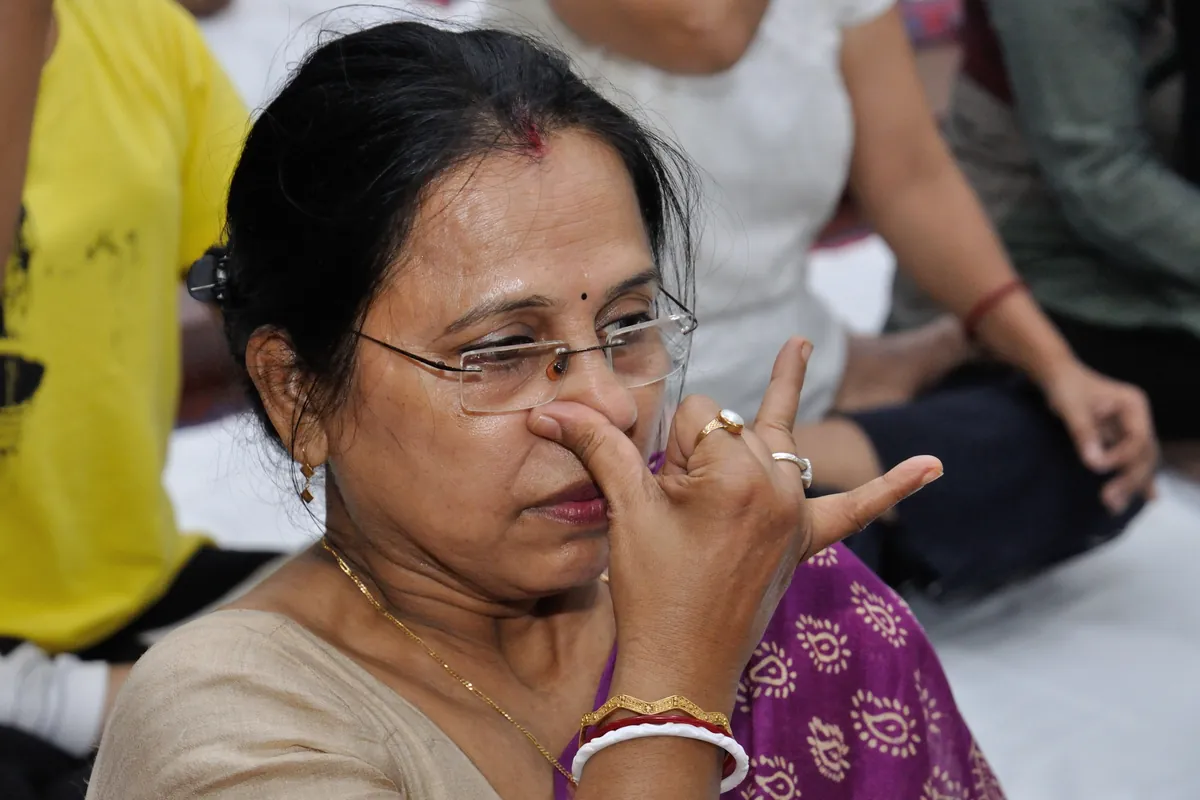
In a Stanford randomised study, just five minutes a day of structured breathing (cyclic sighing or box breathing) or mindfulness meditation improved mood and lowered anxiety over a month; the exhale-focused breathing gave the biggest change in mood and breathing rate (Balban et al., 2023). The study was done with adults, not athletes, but the practices are short and easy to fit into training.
A simple meditation routine for athletes (5–10 minutes a day)
You do not need an hour. Start with one short session every morning, and add one more slot each week. Here is a simple plan.

Breath-focus meditation (5–10 minutes, every morning)
- Sit tall on a chair or on the floor, hands on your thighs. Close your eyes or look softly at the floor.
- Breathe through your nose. Feel the air coming in and going out.
- Count each out-breath from 1 to 10, then start again at 1.
- When you notice your mind has wandered (it will, many times), smile, and go back to 1. That is the training.
Box breathing (2 minutes, before training)
Breathe in for 4 counts, hold for 4, breathe out for 4, hold for 4. Repeat for about two minutes. If holding feels uncomfortable, use 3 counts, or skip the holds. Box breathing is easy to remember and works well in the dressing room or on the bench.
A 3-minute pre-match routine
- Three slow breaths, longer out than in.
- Picture two key moves you want to do well today, in real speed, going right.
- Choose one cue word, such as "watch", "smooth" or "next", to use during the match whenever you need to reset.
Body scan (5 minutes, after training)
Lie down. Move your attention slowly from the top of your head to your toes. Notice tight or sore spots without trying to fix them, and let each area soften with an out-breath. It is a good way to cool down mentally and notice early warning signs of overuse, which you can mention to your coach or physio.
Long-exhale breathing (5 minutes, before sleep)
With screens away, breathe in for about 4 counts and out for 6–8. Sleep is when the body recovers from training. Research on mindfulness and sleep is mixed, so treat this as a calm-down habit, not a sleep treatment (NCCIH).
When should athletes meditate?
| When | What to do | Why it helps |
|---|---|---|
| Morning | 5–10 min breath-focus meditation | Builds the daily habit and trains attention |
| Before training | 2 min box breathing | Settles the mind so you can focus on drills |
| Before a match | 3 min pre-match routine | Calm body, clear plan, one cue word |
| During a match | One slow breath plus your cue word | Reset after a mistake or before a big moment |
| After training | 5 min body scan | Cool down mentally and notice tight spots |
| Before sleep | 5 min long-exhale breathing | Switch off from the day and screens |
If you only do one thing, do the morning session. Consistency matters more than length: ten minutes every day beats one hour once a week.
Meditation for young athletes: a note for parents
Children can learn simple meditation and breathing from about school age, as long as it is short and fun. Many Indian schools already do this during yoga sessions.
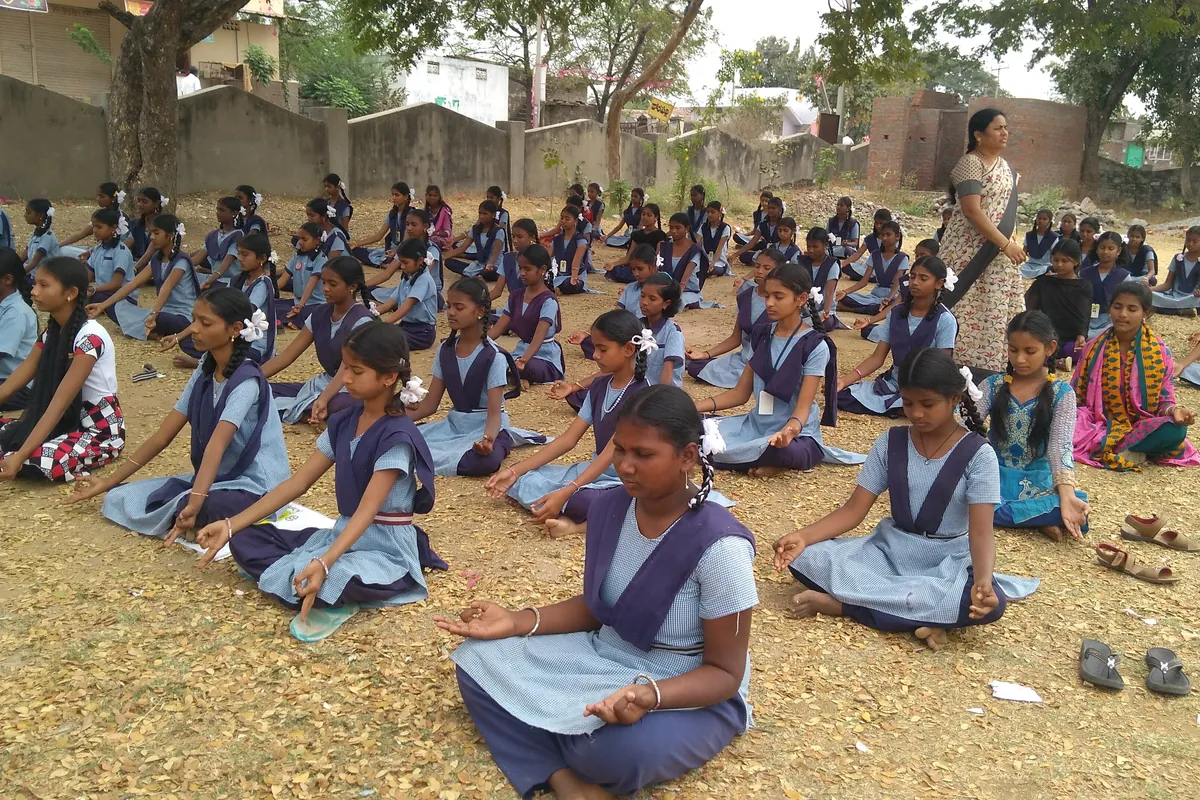
- Keep it short: about one minute per year of age is a good rule of thumb (for example, 5–8 minutes for an 8-year-old), and less is fine.
- Make it playful: "balloon breathing" (belly grows like a balloon), counting breaths, or listening for sounds with eyes closed.
- Do it together: children copy parents. A family two-minute breathing break before school or training works well.
- Never use it as punishment. Meditation should feel like a calm, safe break, not a time-out.
- Talk after matches: ask "When did you feel calm today? When did you feel rushed?" This builds awareness, the first step of mindfulness.
For more on raising young athletes, see our guides on the best age to start sports and the best first sports for kids.
For coaches and academies: add 5 minutes to every session
You do not need a separate class. Two short blocks are enough:
- Start of session (2 minutes): the whole batch stands or sits in a circle and does box breathing together. It settles a noisy group fast.
- End of session (3 minutes): a short body scan or quiet breathing before the team talk. Players listen better when they are calm.
- Before matches: teach every player the 3-minute pre-match routine and let them choose their own cue word.
- Respect choice: keep it secular and simple, and let players keep their eyes open if they prefer.
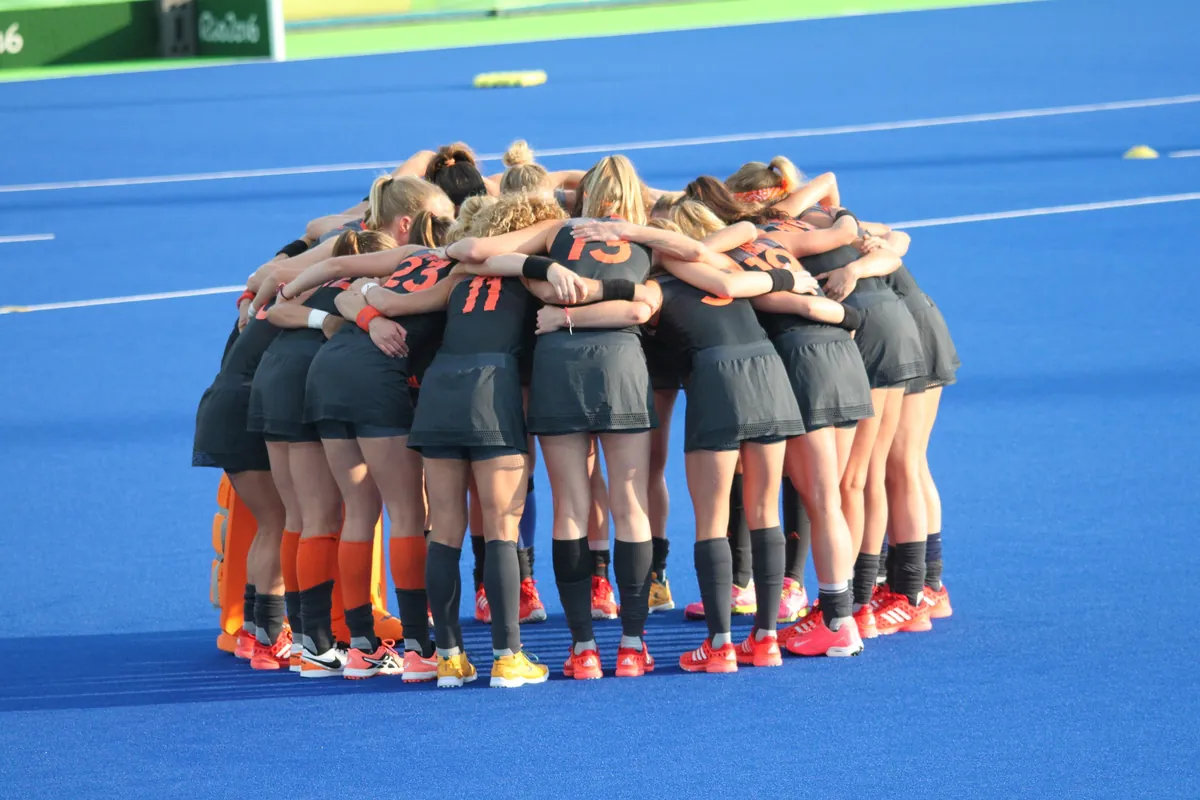
Over a season, these few minutes can make a team calmer, more focused and more united. If you run an academy, you can also log mental-skills work alongside fitness tests so you can see who is improving; see our guide to tracking a whole batch in 10 minutes a day.
Safety and common mistakes
For most healthy people, meditation is low-risk. The US National Center for Complementary and Integrative Health notes that a small share of people (about 8% across studies) report negative experiences, most often anxiety or low mood (NCCIH). Keep these points in mind:
- Meditation is not a treatment for injury, illness or mental health conditions. If you or your child are struggling, talk to a doctor or qualified professional.
- Stop breath-holds (like in box breathing) if you feel dizzy, and never practise breath-holding in water.
- Do not expect instant results. Most changes show up after several weeks of daily practice.
- Do not replace training with meditation. Use it to get more out of the training you already do.
How FAB SPORTS helps
FAB SPORTS is a free sports app for athletes, parents, coaches and academies in India. Alongside your meditation habit, you can:
- Log daily sports performance and check your stats over the weeks, so you can see if calmer, more focused training is paying off
- Build your athlete profile and record achievements
- Sharpen your game smartness with the free Sports IQ test and our sports quiz
- Find nearby academies and coaches who include mental skills in their training
Every FAB SPORTS tool is free, with no subscription. See the athlete guide to logging daily performance to get started.
Conclusion
The importance of meditation in sports comes down to one idea: a calm, focused mind lets your training show up when it matters. Regular meditation boosts concentration, makes focus clear, and helps game tactics and smartness grow. It brings calm into the body and into decisions, helps reflexes feel smoother, and helps you handle the toughest moments. It builds character, and it gives you breathing practice at the same time. Start with five minutes tomorrow morning, and keep going.
Track your training and see your progress. Download FAB SPORTS free on the App Store or get it on Google Play.
Sources
- Bühlmayer et al. (2017), Sports Medicine: Effects of mindfulness practice on performance-relevant parameters and performance outcomes in sports
- Effects of mindfulness intervention on cognitive function in athletes: systematic review and meta-analysis (Mindfulness, 2025)
- Mindfulness-based programmes and mental health of elite athletes: systematic review and meta-analysis (British Journal of Sports Medicine, 2023)
- Effects of psychological interventions to enhance athletic performance: systematic review and meta-analysis (Sports Medicine, 2023)
- Kramer, Weger and Sharma (2013), Consciousness and Cognition: The effect of mindfulness meditation on time perception
- Zaccaro et al. (2018), Frontiers in Human Neuroscience: Psycho-physiological correlates of slow breathing
- Balban et al. (2023), Cell Reports Medicine: Brief structured respiration practices enhance mood and reduce physiological arousal
- Dunning et al. (2019), Journal of Child Psychology and Psychiatry: Mindfulness-based interventions in children and adolescents, meta-analysis
- NCCIH: Meditation and Mindfulness, Effectiveness and Safety
- NCCIH: Sleep Disorders and Complementary Health Approaches
- Ministry of AYUSH: Common Yoga Protocol
Frequently Asked Questions
What is the importance of meditation in sports?
Meditation trains attention and calm. For athletes it can improve concentration, keep the body and decision-making calm under pressure, help reflexes feel smoother and build discipline. It also includes breathing practice. Research supports benefits for focus and anxiety, and it works best alongside normal training.
How does meditation help athletes perform better?
It trains you to notice distractions and return to the task quickly, lowers tension and anxiety, and helps you stay in the present moment. Meta-analyses have found benefits for attention, anxiety and, in precision sports like shooting, performance itself.
How long should an athlete meditate each day?
Start with 5–10 minutes every morning. Add short sessions such as 2 minutes of box breathing before training or a 3-minute pre-match routine. Doing it daily matters more than doing it for a long time.
Does meditation really make time feel slower in sports?
Many athletes describe feeling they have more time when they are calm and focused. Meditation does not change real time; it changes how you experience it. A University of Kent study found a short mindfulness exercise made people judge durations as slightly longer, but this was a lab task, not a match.
What is box breathing for athletes?
Breathe in for 4 counts, hold for 4, breathe out for 4 and hold for 4, then repeat for about two minutes. It is a simple way to settle down before training or a match. Skip the holds if you feel dizzy.
Can children and young athletes meditate?
Yes. Keep it short and playful, roughly one minute per year of age or less, using breath counting or balloon breathing. Do it together as a family or team, and never use it as punishment.